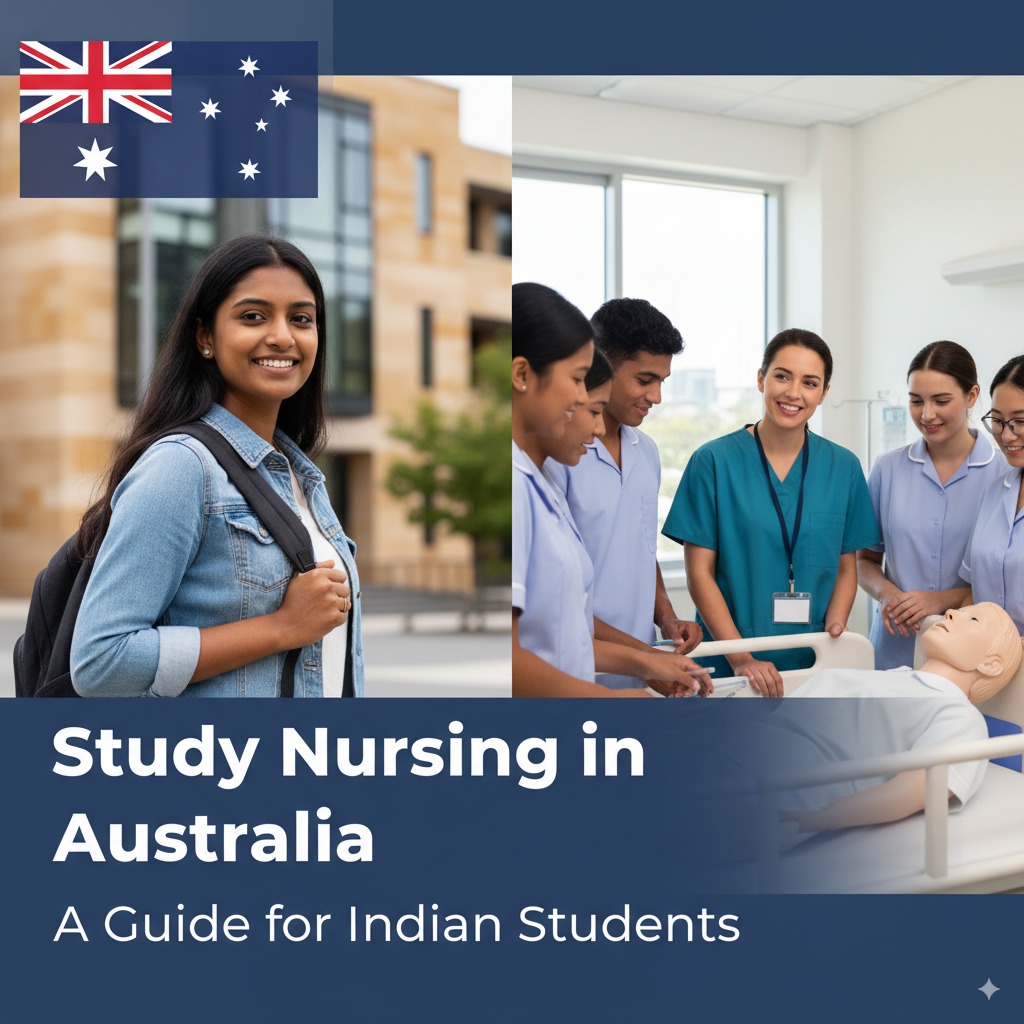
Australia is a preferred destination for Indian students seeking quality healthcare education. Study Nursing in Australia are globally recognized, combining high academic standards with practical clinical training. Many factors make it attractive: world-class universities, strong industry demand, competitive salaries, and clear pathways to work or permanent residency. Renowned institutions like RMIT highlight that Australian nursing programs meet international standards and feature hands-on clinical training.
Australia is not only known for educational excellence but also for its welcoming environment. Cities like Melbourne, Sydney, and Perth have large Indian communities, cultural associations, and campus support networks that help new students adapt. The multicultural society, top healthcare facilities, and high safety standards give Indian students peace of mind. Overall, studying nursing in Australia means experiencing a high quality of life alongside your studies.
Why Study Nursing in Australia?
World-Class Education: Australian nursing programs are highly ranked and designed to meet global benchmarks. They focus on practical learning – using state-of-the-art simulation labs and extensive clinical placements – so students graduate with real-world skills.
Welcoming Environment: Universities and cities in Australia have large Indian student communities and support services. The country is known for safety and a high standard of living, making it easy for Indian students to adapt and focus on their studies.
High Demand & Salary: There is a national nursing shortage in Australia, which means strong job prospects for graduates. As of 2025, over 346,000 registered nurses work in Australia, with median weekly earnings around AUD $2,156. This reflects the high earning potential of nursing careers.
Career Pathways: Nursing education prepares you for roles at different levels. Diploma graduates can become Enrolled Nurses (handling basic patient care), while Bachelor of Nursing graduates qualify as Registered Nurses (performing advanced tasks like administering medication). Many graduates further specialize in areas such as emergency, pediatrics, oncology, or mental health nursing.
Global Mobility: Australian nursing qualifications are recognized worldwide. Thanks to recent visa rule changes, it has become easier for international nurses to obtain work sponsorship in Australia. Nursing is also listed in Australia’s skilled occupations, making it a viable path to permanent residency.
Support for International Students: Australian universities offer dedicated support for international students, including orientation programs, language help, and cultural clubs. These services help Indian students settle in and make the most of campus life.
Top Nursing Courses in Australia
Australian institutions offer a range of nursing and allied health programs. Key options include:
Diploma of Nursing (2 years): An undergraduate program that leads to an Enrolled Nurse (EN) qualification. This course typically requires 10+2 in any stream (Science, Commerce, or Arts) and English proficiency (e.g., IELTS 6.5–7.0). No previous medical background is needed. Graduates become Enrolled Nurses, who assist with patient care under supervision.
Bachelor of Nursing (3–4 years): The standard degree to become a Registered Nurse (RN). Eligibility usually includes 10+2 (any stream) with competitive scores. The program covers nursing theory, clinical skills, and usually includes work placements in hospitals. Upon graduation, nurses are eligible to register with the Australian nursing board and take on RN roles.
Master of Nursing (2 years): A graduate program for those holding a relevant diploma or degree (such as a General Nursing & Midwifery certificate or any bachelor’s degree). This advanced degree deepens clinical expertise and leadership skills, preparing RNs for senior or specialized positions.
Other Allied Programs: Some students also consider related fields. For example, a Bachelor of Social Work (4 years) trains graduates for welfare careers and is popular among students interested in community health.
Application intakes for nursing programs typically occur twice a year (usually in February/March and July). Some colleges and universities offer additional intakes in November or January. To apply, you generally submit your academic transcripts, proof of English proficiency, a statement of purpose, and other documents. Sunland catalog of degrees, diplomas, and certificates across disciplines if you wish to explore specific programs in detail.
Admission Requirements and Fees
Admission criteria for nursing programs in Australia generally include:
Educational Qualifications: Completion of Class 12 (10+2) with a good aggregate (often 60–65% or higher). Universities may also consider performance in any entrance examinations or personal interviews.
English Proficiency: Most nursing courses require proof of English ability. An IELTS overall score of 7.0 (with no band below 7.0) is commonly needed, although some programs accept slightly lower scores. Alternatively, the Occupational English Test (OET) with a ‘B’ grade in each section is accepted by many nursing schools. These scores ensure you can communicate effectively in clinical settings.
Registration Requirements: After graduation, you must register with the Nursing and Midwifery Board of Australia (NMBA) to practice. The NMBA currently requires IELTS 7.0 in each component (or OET B) for registration, so plan your preparation accordingly.
Tuition fees for study in nursing australia courses vary by institution. As a guideline, annual fees for a Bachelor of Nursing might range from AUD 25,000 to AUD 40,000. Diploma programs and master’s degrees are similar. Living expenses depend on the city: students should budget roughly AUD 1,500–2,000 per month for accommodation, food, and transport. Part-time work (up to 20 hours per week, as student visas allow 40 hours per fortnight) can help offset living costs. There are few scholarships specifically for international nursing students, so it’s important to plan your budget carefully.
Student Visa Requirements
Indian students must obtain an Australian Student Visa (subclass 500) to study nursing in australia .
Key points include:
Visa Conditions: You must enroll full-time in a registered course. The visa allows part-time work (up to 40 hours per fortnight) while classes are in session, and unlimited work during scheduled breaks. You must maintain Overseas Student Health Cover (OSHC) for the duration of your stay.
Financial Requirements: You will need to show proof of sufficient funds (around AUD 20,000 per year for living expenses, plus tuition). A compulsory “Genuine Temporary Entrant” (GTE) statement is required to demonstrate your study intentions.
Application Process: The application typically involves submitting your admission offer, financial documents, health insurance, and the GTE statement. It may also include an interview at the Australian High Commission in India. Sunland’s consultants can help organize these documents and strengthen your visa application.
Post-Study Work Rights: After completing your degree, you may be eligible for a Temporary Graduate visa (subclass 485). For example, graduates with a Bachelor of Nursing often get a 2-year post-study work visa, allowing them to gain professional experience in Australia. This can be a stepping-stone to longer-term employment or residency.
For detailed visa information, see https://www.sunlandedu.com/permanent-residency-for-australia/ guide on our site.
Career Outlook for Nursing Graduates
Nursing is one of the fastest-growing professions in Australia. Graduates can expect:
Strong Employment: Hospitals, aged care facilities, community clinics, and private practices all hire nurses. Rural and remote areas of Australia often have even higher demand.
Roles and Specializations: As a nursing graduate, you could work as an Enrolled Nurse (providing basic patient care) or a Registered Nurse (managing medications and treatments). Many nurses specialize in fields such as emergency care, pediatric nursing, mental health, or gerontology.
Competitive Salaries: Australian nurses enjoy attractive pay. A 2025 analysis reported a median weekly wage of about AUD $2,156 for registered nurses. With experience and specialization, nurses often earn well above the national average income.
Career Growth: Australia’s healthcare sector invests in continuing education. Hospitals and universities offer short courses and professional development, helping nurses advance. Professional bodies (like the Australian College of Nursing) also provide networking and certification opportunities.
Permanent Residency: Nursing is listed on Australia’s skilled occupations. After gaining the required work experience, you may qualify for skilled visas (such as the Skilled Independent visa, subclass 189). Sunland Education and Immigration Consultant can explain these PR pathways if you wish to settle in Australia long-term.
In summary, studying nursing in Australia positions you for a rewarding international career in healthcare.
Why Choose Sunland Education & Immigration Consultant?
Sunland Education & Immigration Consultants has over 20 years of experience guiding Indian students abroad. Our Chandigarh office specializes in Australian education. By working with Sunland Immigration, you benefit from:
Expert Guidance: We help identify the right nursing program and university for your goals and profile.
Fast Admissions: Sunland has streamlined processes; students often receive offer letters within 1–2 weeks.
Visa Assistance: Our registered migration agents assist with your student visa application, ensuring all conditions (GTE, documentation) are met.
Comprehensive Support: From college selection to lodging visa forms and preparing for entry, our consultants support you at every step.
For detailed course listings and visa advice, visit Sunland Immigration. Our counselors are ready to help you understand eligibility, intake dates, and scholarship options.
Final Tought
For Indian students with a passion for healthcare, studying nursing in Australia offers top-tier education and a pathway to a rewarding career. Australian nursing degrees are respected worldwide, and graduates enjoy excellent employment prospects and earnings. With dedicated support from Sunland Education & Immigration Consultants, the process of securing admission and a student visa is smooth and transparent. Contact Sunland today to learn how you can study nursing in Australia. Contact Sunland today to begin your international nursing career.